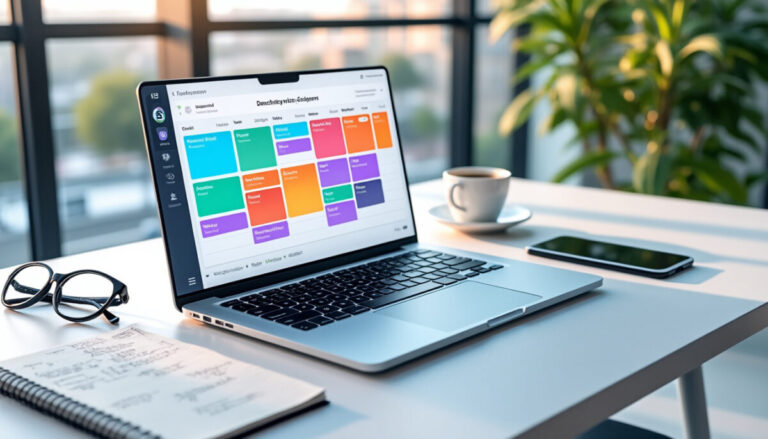

Freelance life: finding your rhythm without losing your freedom
Hi everyone, Mila here. Finding a sustainable work rhythm as a freelancer means setting clear boundaries, staying organized, and above all, being able to preserve your freedom without burning yourself out. By putting a few simple rules in place from the start, you can structure your day to stay productive and maintain a healthy balance between working from home and your personal life.
WHAT TO DO FROM THE START
- Set fixed working hours and let your clients know when you’re available.
- Create a dedicated workspace, separate from your living space.
- Plan your week by alternating work blocks with regular breaks.
- Automate or delegate recurring tasks such as invoicing or follow-ups.
- Learn to say no to projects that could throw your schedule off balance.
Once you’ve put these basics in place, you can explore ways to manage your work-life balance further with helpful resources such as how to preserve your personal and professional lives and perhaps understand why a good work rhythm helps prevent burnout with this look at freedom and structure.
Why setting clear boundaries protects your freedom and creativity
The temptation to be available all the time is strong when you’re a freelancer. Yet, the lack of boundaries between work and personal life quickly wears you down. Setting fixed start and end times for your workday helps preserve your mental energy. For example, answering emails outside working hours often causes your productivity to drop the next day. A freelancer who never switches off eventually confuses freedom with overload.
A flexible but clear structure gives you protected mental space. If you’re just starting out, you may be tempted to accept every opportunity that comes along. But you’ll soon discover that sometimes saying no is essential to making it in the long run and keeping your motivation intact.
Organize your work time to balance autonomy and pace
Good organization relies on simple tools: a digital calendar, task management apps, and above all, a way to avoid frequent interruptions. Time-boxing is effective: you block out fixed periods for each task and stick to them, limiting distractions in the process.
One small but often overlooked step is to create a break-time ritual that marks the transition between work and relaxation. For example, tidying your desk or getting some fresh air for fifteen minutes at the same time each day helps your brain know when it can switch off.
3 simple steps to lighten your mental load
- Identify repetitive or time-consuming tasks that can be automated, such as follow-ups or invoicing.
- Use digital tools such as Notion, Todoist or ClickUp to plan and track your work efficiently.
- Delegate technical or administrative tasks to a virtual assistant or specialist service provider.
Delegating isn’t giving up control, but a way to increase your productivity and protect your mental health.
Protect your mental and physical health: the keys to going the distance
A balanced routine includes regular breaks, moderate exercise, and restorative sleep. Incorporating meditation or breathing exercises as soon as you feel under pressure can help prevent chronic stress. Don’t forget to schedule days off and vacations to recharge your batteries. It may seem obvious, but many freelancers still hesitate to completely disconnect—a trap that can quickly lead to burnout.
Comparison table: the strengths and limitations of freelancing when managing your work-life balance
| Advantages | Limitations |
|---|---|
| Complete flexibility in your schedule | Significant risk of never switching off |
| Full autonomy in choosing projects | Often a heavy mental load due to having multiple roles |
| Freedom to organize your personal life | Difficulty setting boundaries in the face of client pressure |
Tips for adapting your freelance work rhythm to your situation
- If you have family commitments, set strict working hours and communicate them clearly to your loved ones and clients.
- If you’re just starting out, opt for a steady pace and moderate workload rather than intense, exhausting bursts of activity.
- If you’re managing several projects, learn to turn down some assignments so you can protect your creativity and balance.
A practical checklist to maintain your pace without sacrificing your freedom
- Set working hours and stick to them to give yourself a reassuring structure.
- Set up a proper workspace, even a small one, to better separate work and personal life.
- Prioritize and plan your weekends and evenings to avoid work spilling over.
- Delegate or automate repetitive tasks to free up your energy.
- Schedule regular breaks to maintain your productivity over the long term.
How can you avoid working all the time as a freelancer?
Set working hours, create a separate workspace, and turn off notifications outside those hours.
How can you regain balance after overworking?
Take a step back, simplify your schedule, set clear boundaries, and prioritize recovery before returning to an intensive pace.
Can you really make a comfortable living as a freelancer?
Yes, by organizing your time well, learning to say no, and building a balanced routine that respects your energy.
What tools can you use to automate freelance management?
Use automated invoicing software, CRMs to track clients, and digital calendars with reminders.
Why is it important to plan vacations?
Rest periods restore your creativity and energy, helping prevent burnout.
Thank you so much for reading; Mila. I’d be delighted if you left a comment at the bottom of the page, thanks!